See the full picture
Understand what the structure is telling you.
What we support.
Structural engineering services
Structural Condition Assessments
We evaluate structural systems, visible deterioration, and areas of distress to identify repair priorities, maintenance needs, and conditions that may warrant closer investigation.
Structural Repair Design
We translate assessment findings into practical repair solutions, drawings, specifications, details, product recommendations, and testing provisions.
Structural Strengthening & Retrofit
We develop strategies to restore or increase load-carrying capacity when structures deteriorate, uses change, loads increase, or resilience goals evolve.
Foundation Evaluations & Repairs
We evaluate foundation conditions and design repairs for slab-on-grade systems, retaining walls, shallow and deep foundations, machine foundations, and related support systems.
Seismic Evaluation & Retrofit
We assess seismic vulnerabilities and develop strengthening or retrofit strategies for buildings, infrastructure, industrial facilities, and non-building structures.
Fall Protection & Façade Access
We design, evaluate, inspect, and test permanent fall-protection and façade-access systems, including davits, davit bases, and anchorages.
STRUCTURAL QUESTIONS WORTH ANSWERING EARLY
The Visible Problem Is Only the Starting Point
Cracking, corrosion, movement, settlement, and visible deterioration can raise immediate questions. But the condition you can see is not always the full story. The real challenge is understanding what the structure is telling you, how urgent the concern may be, and what should happen next.
Is the Condition Isolated or Part of a Larger Pattern?
A visible crack may be cosmetic, localized, or one sign of a broader structural concern. Surface deterioration may point to moisture exposure, corrosion, material loss, movement, or changing demands on the structure. Age, materials, loading history, environmental exposure, drainage, previous repairs, and planned future use can all affect how the condition should be understood.
Walker evaluates structural concerns in context. We help you determine whether the condition appears limited, whether additional investigation may be warranted, and whether the issue should be monitored, repaired, or incorporated into a longer-term plan.
What Needs Attention Now, and What Can Be Planned Over Time?
Not every structural concern requires the same response. Some conditions may need prompt action. Others may be managed through monitoring, maintenance, or a phased repair strategy. The important part is separating the urgent from the manageable before a small issue becomes a larger disruption.
Walker helps owners, facility teams, and project stakeholders prioritize structural needs based on the condition, the potential impact, and the decisions ahead. That gives you a clearer basis for budgeting, sequencing repairs, and protecting the long-term performance of the structure.
What Is the Right Next Step?
A useful structural evaluation should lead to a practical path forward. That may mean documenting the condition, conducting additional testing, monitoring changes over time, developing repair documents, evaluating strengthening options, or coordinating the work with a broader renovation or capital plan.
You do not need to diagnose the issue on your own. You need the right questions answered early enough to make informed decisions and move forward with confidence.
What Are You Seeing, and What Should Happen Next?
Structural concerns do not always reveal their cause at first glance. Use this guide to identify when a closer evaluation may be warranted and which type of structural-engineering support may be the right place to start.
Showing all structural concerns.
| What You Are Seeing or Planning | Possible Concern to Explore | Recommended Starting Point | Why It Matters |
|---|---|---|---|
| 01 Cracking, Spalling, Corrosion, or Exposed Reinforcing Steel | Localized deterioration, material loss, moisture-related exposure, or a broader structural-performance concern. | Structural condition assessment | Visible deterioration may be one part of a larger pattern. Reviewing the condition in context can help determine whether monitoring, repair, or closer investigation is appropriate. |
| 02 Settlement, Movement, Uneven Floors, or Recurring Cracks | Foundation movement, changes in structural behavior, or conditions that may be affecting how loads are transferred. | Foundation evaluation or structural assessment | Understanding the source of the condition helps avoid cosmetic repairs that do not address the underlying issue. |
| 03 A Change in Building Use, Layout, Storage, or Equipment | New or increased demands on the structural system. | Load-capacity evaluation and strengthening review | A structure may need to support conditions it was not originally designed to carry. Early review can help clarify what is feasible before the broader project moves forward. |
| 04 Fire, Impact, Storm, or Water-Related Damage | Localized damage or effects that may extend beyond the most visible area. | Focused structural assessment | The visible condition may not show the full extent of the issue. A targeted review can help identify whether additional evaluation, repair planning, or temporary measures should be considered. |
| 05 Planned Renovation, Restoration, or Adaptive Reuse | Repair needs, strengthening requirements, new loads, or coordination between existing conditions and proposed work. | Structural assessment and repair-design review | Early structural input can help align the repair or strengthening strategy with the broader project scope before design decisions harden. |
| 06 Seismic-Resilience Concerns or Retrofit Planning | Structural vulnerabilities, performance goals, or retrofit needs based on the system, site, and intended use. | Seismic evaluation and retrofit review | The right approach depends on the structural system and the level of performance the project needs to achieve. |
| 07 Davits, Façade-Access Equipment, or Rope-Descent Anchorages | Inspection, testing, certification, maintenance, or design needs. | Fall-protection and façade-access review | Building owners may have ongoing responsibilities for rope-descent-system anchorages, including written confirmation that each anchorage has been identified, tested, certified, and maintained. Review OSHA 29 CFR 1910.27. |
This guide is a starting point, not a structural diagnosis. The appropriate next step depends on the structure, the condition, the available information, and the decisions your team needs to make.
Talk With a Structural EngineerConnected Experts
People who know what to look for.
Walker’s strength comes from specialists who understand the details, the tradeoffs, and the decisions owners need to make next.
Dan Moser
Vice President/Director—Building Envelope, Forensics, and Restoration
Chicago (West), IL – HQ
Connected Projects
Proof that fits the problem.
Explore related Walker projects that show relevant experience, practical judgment, and the kinds of problems our teams help clients solve.
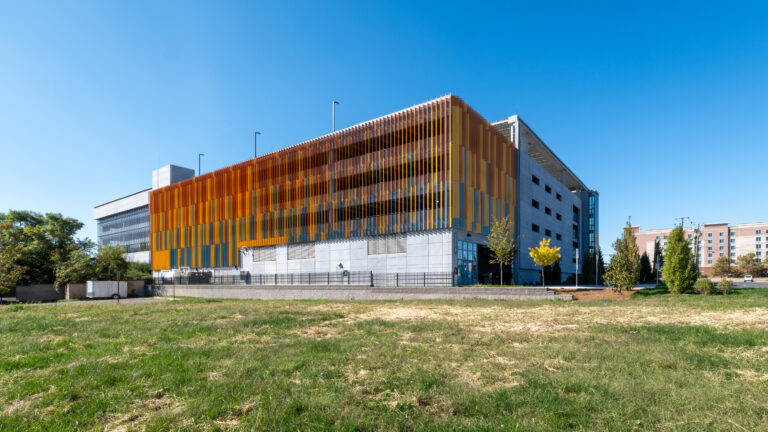
Springfield, Virginia
Springfield Community Business Center (CBC) Commuter Garage

Lancaster, Pennsylvania
Christian Street Parking Garage
 →
→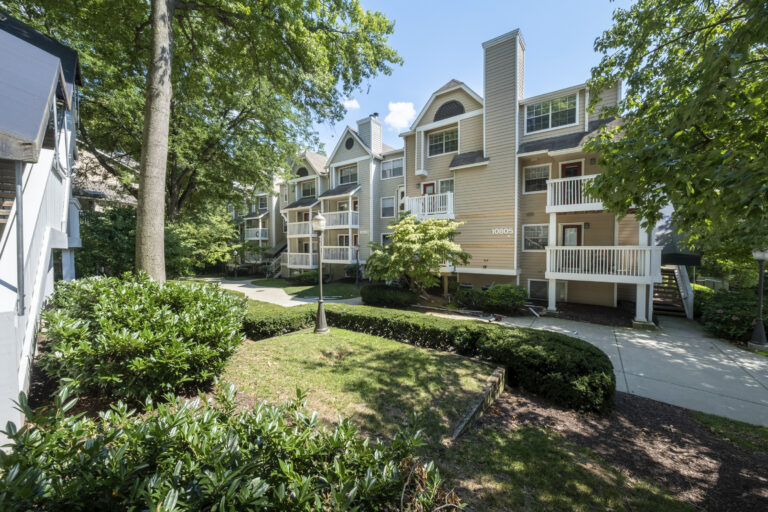
North Bethesda, Maryland
Structural Repairs for The Gables on Tuckerman

Alexandria, Virginia
Parkfairfax Condominium Assessments and Repairs
Dunedin, Florida
Marina Place Waterproofing and Structural Strengthening
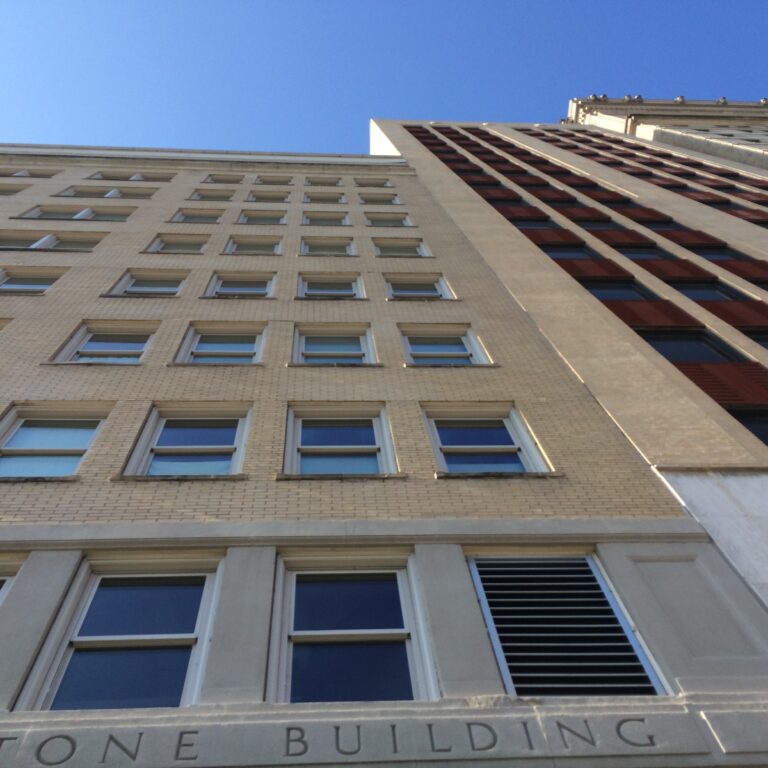
Houston, Texas
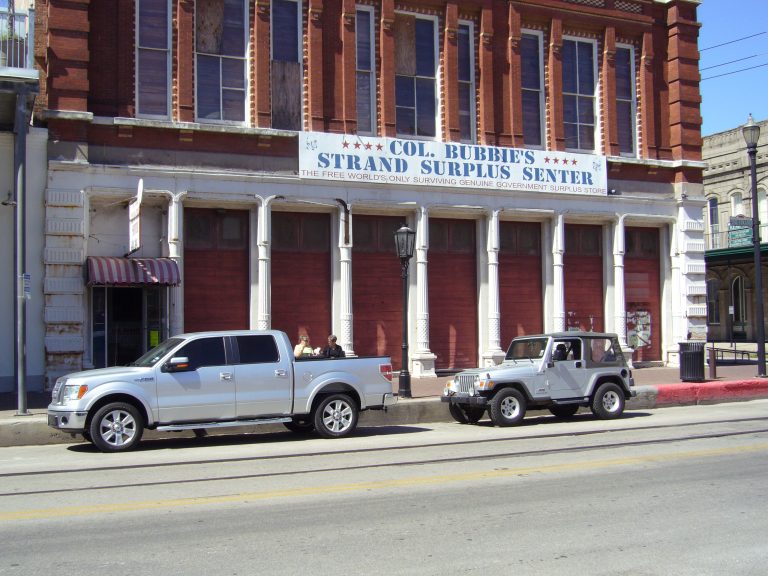
Keystone Lofts Structural Condition Assessment
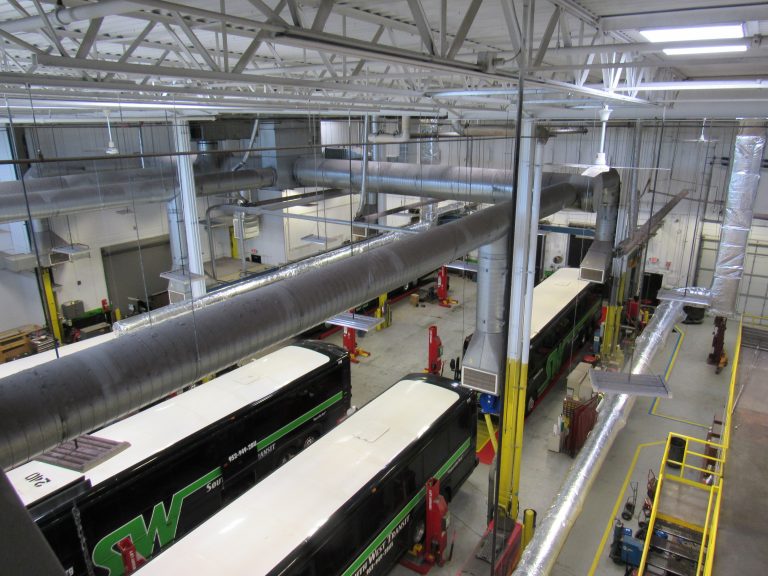
Eden Prairie, Minneapolis
Southwest Transit Bus Garage Air Conditioning Assessment
Walker Project
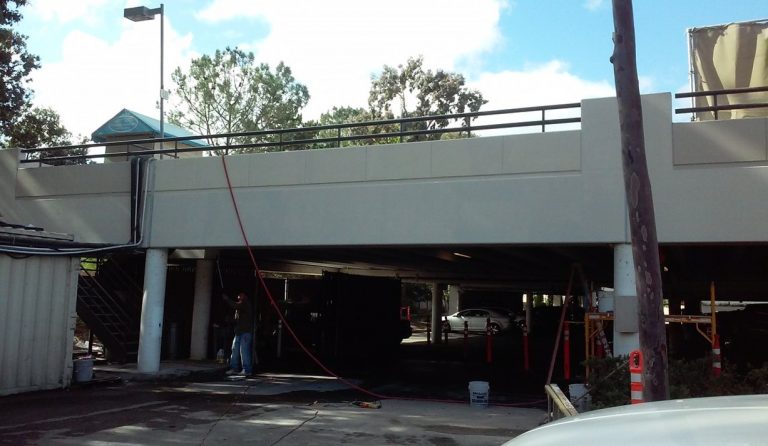
Vehicular Barrier Impact
Galveston, Texas